
Tech information is the practical mix of facts, context, and guidance people use to understand technology and make decisions, not just headlines or product specs.
If you have ever felt buried under technology news, vendor blogs, and “hot takes,” you are not alone. The hard part is not finding updates, it is deciding what matters, what is credible, and what changes your next move.

This guide breaks down what counts as tech information, what usually does not, and how to turn it into action through enterprise IT strategy, cybersecurity updates, cloud computing solutions, and software development best practices. You will also get a simple scoring checklist and a small workflow you can actually keep up with.
What “tech information” really includes (and what it does not)
In real life, tech information is less about being early and more about being useful. It usually combines “what happened,” “why it matters,” and “what to do next.”
- Technology news: announcements, outages, mergers, product releases, policy changes.
- IT insights: context from practitioners, postmortems, architecture notes, cost breakdowns, implementation tradeoffs.
- Tech industry reports: market framing, category definitions, adoption patterns, risk themes.
- Operational updates: vulnerability advisories, patch notes, deprecation timelines, cloud status and incident reports.
- How-to guidance: software development best practices, reference architectures, runbooks, governance templates.
What often looks like tech information but tends to waste your time is “trend-stacking” content that repeats buzzwords without impact, or pure product marketing that skips constraints, costs, and failure modes.
Why tech information matters for businesses and careers
Most teams are not short on ideas, they are short on shared clarity. Strong tech information helps you align stakeholders, reduce avoidable risk, and choose where to invest attention.
- Better prioritization: spotting which emerging technologies are relevant versus distracting.
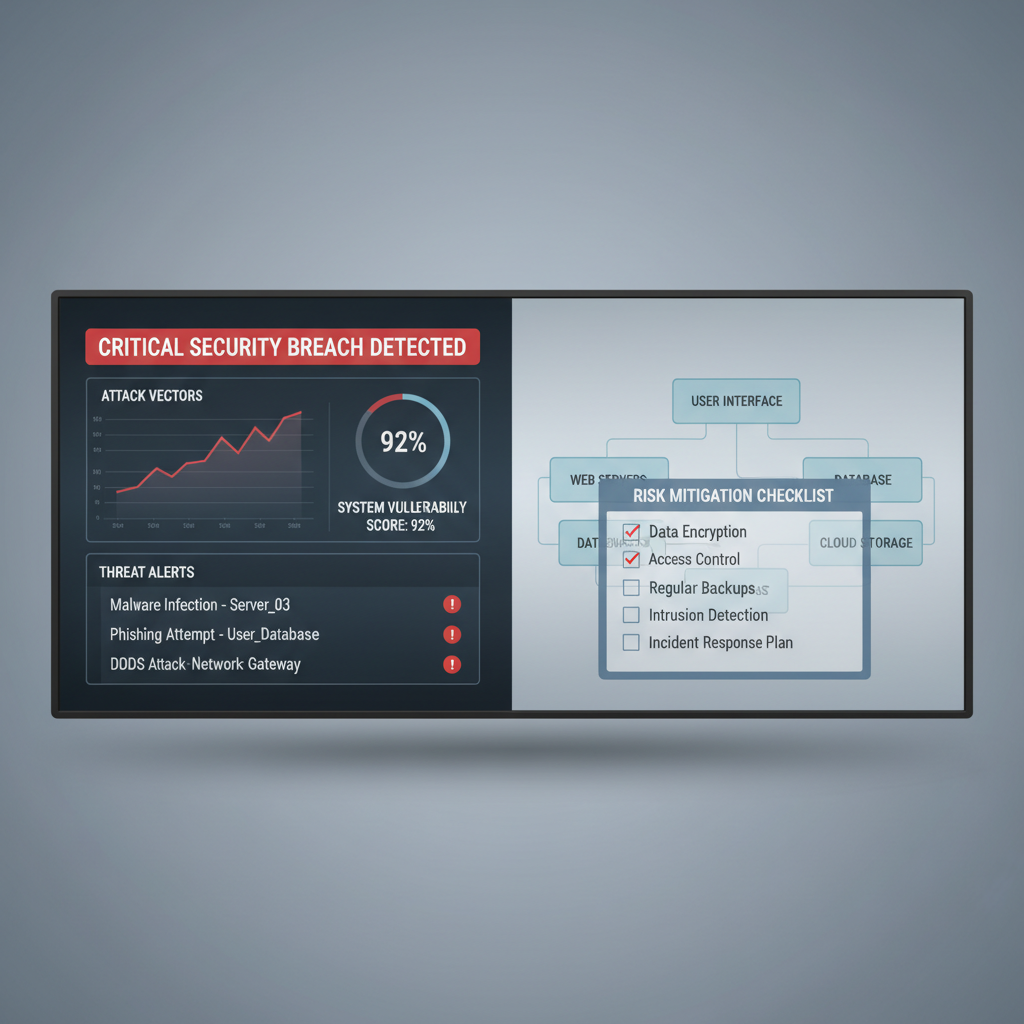
- Lower risk: translating cybersecurity updates into patch priorities and compensating controls.
- Smarter spending: turning cloud computing solutions into cost, performance, and lock-in decisions.
- Faster delivery: applying software development best practices to reduce rework and incidents.
- Career signal: being the person who brings “what matters and why,” not just links.
According to NIST, organizations should manage cybersecurity risk continuously, which implicitly depends on timely, credible security information and clear decision paths.
Where to find reliable tech information (a practical source map)
No single source covers everything well. A useful approach is to pair “fast signals” with “slow context,” then sanity-check with primary sources.

Fast signals (hours to days)
- Vendor security advisories and patch notes
- Cloud provider status pages and incident communications
- Major newsroom reporting for broad tech industry reports and breaking events
- Open source project releases and deprecation notices
Slow context (weeks to quarters)
- Frameworks and guidance from standards bodies
- Long-form engineering blogs with postmortems and tradeoffs
- Analyst-style synthesis and category explanations (verify claims where possible)
- Community talks and conference sessions, best treated as leads to research
According to CISA, organizations should pay close attention to known exploited vulnerabilities and timely remediation guidance, which is a strong example of high-signal tech information.
How to judge credibility quickly (without becoming a skeptic of everything)
Most people either trust too easily or distrust everything. A middle path is to score items by evidence and relevance, then decide how much time they deserve.
A quick credibility checklist
- Primary source present? Links to advisories, RFCs, docs, changelogs, incident reports.
- Specifics over adjectives? Versions, timelines, affected systems, benchmarks with methodology.
- Clear incentives? Vendor pitch, affiliate links, or a neutral explainer.
- Reproducible? Steps to validate, sample configs, proof-of-concept, or at least constraints.
- Independent confirmation? Another credible outlet or maintainer corroborates key claims.
A simple scoring table you can reuse
Use this to decide whether something deserves a quick skim, a deeper read, or an internal action.
| Signal | What it looks like | Action |
|---|---|---|
| High | Primary sources, clear impact, fits your stack | Create ticket, inform owner, set deadline |
| Medium | Credible but unclear relevance, partial evidence | Save, ask SME, re-check in a week |
| Low | Buzzwords, no links, broad predictions | Skim for vocabulary, avoid decisions |
Turning tech information into action: 3 workflows that actually stick
The difference between “staying informed” and “being effective” is a lightweight operating rhythm. Keep it small, because perfect systems die fast.
1) Weekly triage for enterprise IT strategy
- Pick 2–3 topics tied to your roadmap: cost, reliability, security, developer velocity.
- Collect 10 links max, then summarize into three bullets per item: impact, risk, next step.
- Share a short note in a channel where decisions happen, not in a private doc nobody opens.
2) Security intake for cybersecurity updates
- Define owners for core systems (identity, endpoints, CI/CD, cloud, data).
- Create one intake path for advisories, with severity plus “exposed to internet?” and “exploit in the wild?”
- Track remediation status, and document exceptions with expiration dates.
According to OWASP, many common application security risks come down to predictable patterns, so turning security tech information into repeatable checks can reduce both anxiety and noise.
3) Engineering learning loop for emerging technologies
- Run small experiments, time-boxed, with a clear success metric.
- Capture a one-page debrief: what worked, what broke, what it would cost to run in production.
- Promote the result into standards only after a second use case, not after a demo.
Common mistakes: where people burn time (and budget)
These show up in startups and enterprises alike, just with different labels.
- Confusing novelty with advantage: digital transformation trends can be real, but timing and fit matter more than hype.
- Reading without deciding: collecting IT insights is easy, converting them into tickets, RFCs, or experiments is the work.
- Over-trusting single metrics: benchmarks without workload details often mislead cloud computing solutions choices.
- Ignoring second-order costs: training, migration effort, compliance, and operational load.
- Skipping the “kill criteria”: every pilot needs a clear condition to stop.
If you are dealing with security incidents, regulatory obligations, or high-impact outages, it may be safer to consult qualified professionals, because generic tech information cannot see your full environment or constraints.
Key takeaways and a small next step
Tech information becomes valuable when it is credible, relevant to your stack, and connected to a decision. You do not need to track everything, you need a repeatable way to filter and act.
- Keep a source mix: fast signals plus slow context.
- Score quickly: evidence, incentives, and relevance beat vibes.
- Operationalize: translate into owners, tickets, deadlines, and experiments.
Pick one workflow above and try it for two weeks. If it feels heavy, cut the volume in half before you quit, the goal is consistency, not completeness.