
Best budget action cameras under 100 are absolutely a thing, but you usually win by picking the right compromises, not by chasing “4K” on the box.
At this price, brands often lean on headline specs while cutting corners on stabilization, audio, low-light, or app support. That’s why two $80 cameras can feel like totally different products once you’re outside, moving, and trying to share footage.
This guide helps you sort the “good enough” from the frustrating stuff, with a practical checklist, a quick comparison table, and buying tips that match real use cases like biking, travel, kids activities, and casual vlogging.
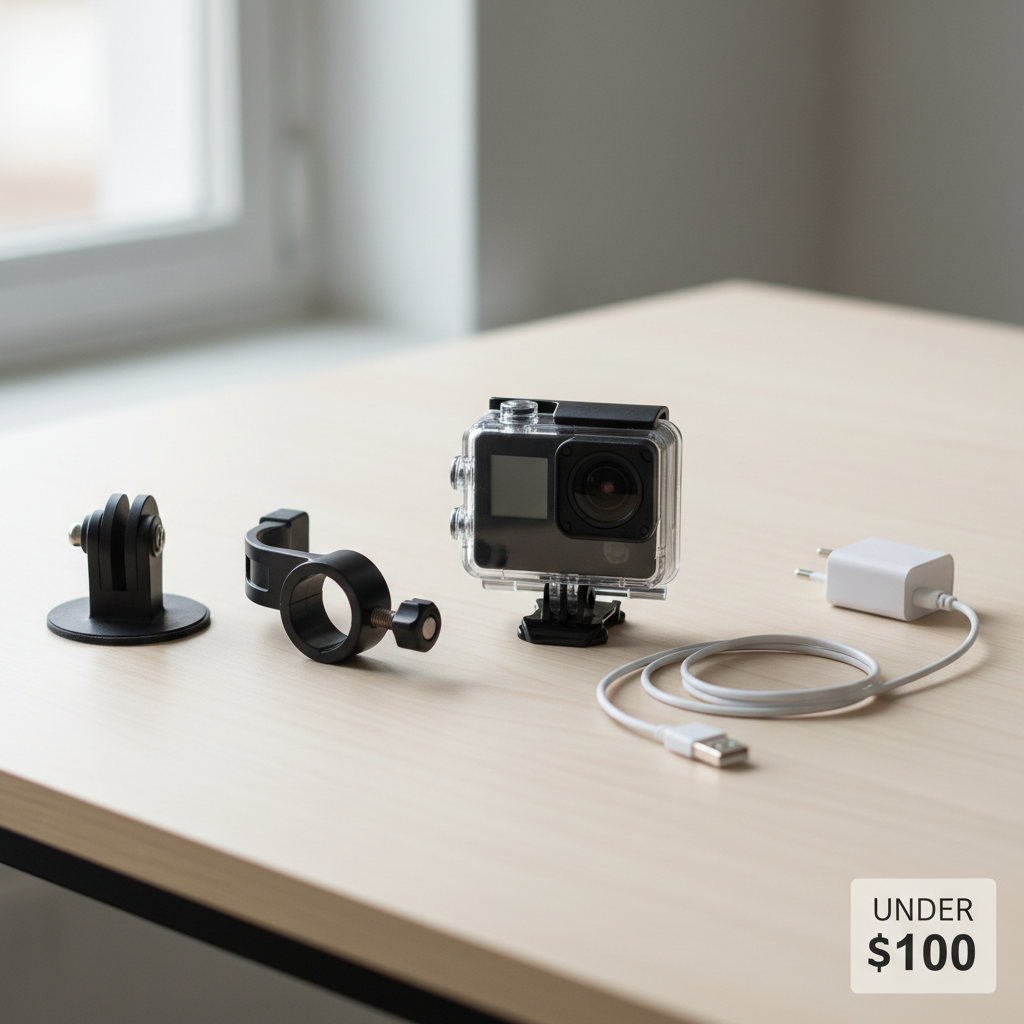
What “under $100” really buys you (and what it usually doesn’t)
In the sub-$100 bracket, most cameras are built around older sensors and budget chips, which is fine for daylight and slow movement, but it changes expectations.
- Video quality: “4K” may mean upscaled 4K or low bitrate 4K, so detail can look mushy when you move.
- Stabilization: True electronic stabilization often works only at certain resolutions or crops the image heavily.
- Audio: Wind noise handling is typically basic, and external mic support is rare.
- Apps/firmware: Some models have apps that are buggy or stop getting updates quickly.
That said, for daylight travel clips, family memories, or a “beater” camera you don’t mind risking, the best budget action cameras under 100 can be a very reasonable buy.
Quick comparison table: what to check before you buy
Listings can be messy, so it helps to compare on a few consistent points. This table focuses on the things that change your day-to-day experience.
| Feature | Why it matters | What to look for under $100 |
|---|---|---|
| Stabilization | Reduces shaky footage when walking, biking, or skiing | EIS available at 1080p/60 or 2.7K; avoid “stabilization” with no resolution note |
| Field of view (FOV) | Controls how wide and distorted your footage feels | Adjustable wide/medium/narrow or “linear” mode if offered |
| Battery + spares | Cheap cameras drain fast, especially with Wi‑Fi on | At least 2 batteries included, USB-C charging preferred |
| Waterproofing | Pool/ocean use is hard on seals and buttons | Waterproof case included; check latch quality and spare door availability |
| Mount ecosystem | Mounts determine whether you actually use the camera | GoPro-style compatible mounts, standard 1/4" adapter included |
| MicroSD support | Wrong card causes freezing and corrupted clips | Clear support for 64GB/128GB from known brands |
According to the SD Association, you should match your device with an appropriate speed class card, which is a practical way to avoid recording issues when you use higher bitrates.
How to tell if a cheap action cam will disappoint you
Most regret comes from three patterns: people expect night performance, they assume “EIS” works in every mode, or they buy a bundle with lots of plastic accessories and a weak core camera.
A fast self-check before checkout
- You shoot mostly indoors or at night: under $100 often looks noisy and smeary, even if the resolution sounds high.
- You want smooth walking footage: look for tested stabilization at 1080p/60, not just a generic claim.
- You care about voice clarity: budget mics vary wildly, and wind noise is usually the real enemy.
- You need a reliable app: if reviews mention pairing issues, assume you’ll edit by pulling the SD card instead.
- You plan to mount on a bike/helmet: prioritize mount compatibility and a solid case latch over extra “free” accessories.
If two or more of these hit your situation, you can still buy cheap, but you’ll want to be picky about which compromises you accept.
Picking by scenario: what to prioritize
Shopping gets easier when you pick your “must not fail” feature. Here’s how I’d prioritize for common situations in the U.S.
Travel and daylight sightseeing
- 1080p/60 that looks clean in daylight matters more than shaky “4K.”
- Extra batteries and a small charger matter because you’ll forget to top up.
- A screen that’s usable in sunlight saves time when framing shots.
Kids, pets, family moments
- Quick start time and simple controls beat “pro” modes you won’t use.
- Decent indoor performance helps; if it’s grainy, lower expectations for evening footage.
- A rugged case is worth more than a pile of mounts.
Biking, skating, skiing (more vibration, more wind)
- Stabilization and mount stiffness are the make-or-break combo.
- Expect wind noise, consider recording short clips and adding music later.
- Check whether the camera overheats in 4K modes; many budget models do in warm weather.
Swimming, beach, snorkeling
- Use the case even if the camera claims “waterproof,” because salt and sand are brutal.
- Rinse case with fresh water after, let it dry open.
- Consider anti-fog inserts if your case fogs up in temperature swings.
For many people, the best budget action cameras under 100 are the ones that match a single primary use, instead of trying to be a “GoPro replacement” in every condition.
Practical buying tips that save you money (and headaches)
This is the part most listings won’t tell you, but it’s what keeps the camera from turning into drawer clutter.
- Budget for a real microSD card: a reputable card often matters more than the camera’s max resolution.
- Assume included mounts are “starter quality”: keep the ones you trust, replace the wobbly ones early.
- Check return windows: you want enough time to test stabilization, audio, and Wi‑Fi pairing.
- Test in your real setting: if you buy it for biking, test it on a bike, not in your living room.
- Don’t chase megapixels: sensor quality and bitrate usually matter more than big photo numbers.
According to the Federal Trade Commission (FTC), shoppers should watch for misleading advertising and read key terms carefully; with ultra-cheap gadgets, that’s a good reminder to treat vague “4K/60” claims skeptically if there’s no supporting detail.
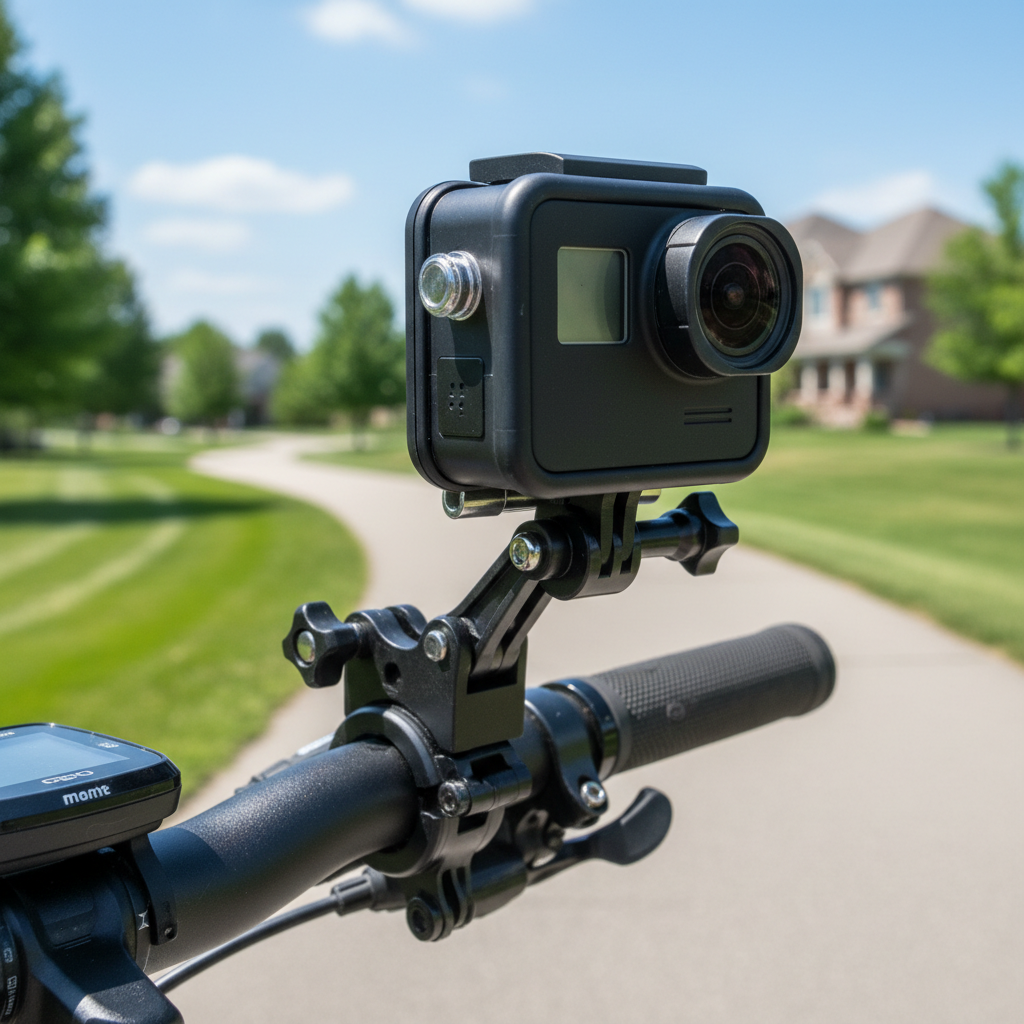
Setup checklist: get better footage on day one
Even a cheap camera can look noticeably better with a few small setup choices.
- Set 1080p/60 as your default: it’s often the smoothest, most reliable mode for budget hardware.
- Turn on stabilization only where it works well: if EIS makes footage wobbly or crops too much, try 1080p instead of 4K.
- Use a “medium” FOV when possible: wide looks fun, but it exaggerates shake and edge distortion.
- Lock exposure when the option exists: this reduces pulsing brightness when you pan.
- Do a 20-second audio test outdoors: wind behavior is the quickest way to learn what you’re dealing with.
- Carry a small microfiber cloth: a single fingerprint can make “4K” look like 480p.
If you’re gifting the camera, consider setting it up fully, formatting the card, and taping a one-line cheat sheet to the case. People use gifts more when they don’t have to troubleshoot on day one.
Common mistakes with cheap action cameras (and how to avoid them)
Most problems people blame on the camera are actually avoidable, but only if you know what to watch for.
- Buying for night footage: if low light is your priority, you may need to raise budget or switch to a used phone gimbal setup.
- Using the wrong microSD speed: random freezes, missing clips, or corrupted files often point here.
- Leaving Wi‑Fi on: battery drops fast, and the camera may run hotter.
- Over-tightening plastic mounts: it can crack threads and introduce wobble over time.
- Expecting “waterproof” without care: sand in seals and case latches causes leaks, rinse and inspect after beach days.
Also, if you plan to mount a camera on a helmet or vehicle, follow local laws and use common-sense safety practices. If you’re unsure about a setup, it’s reasonable to ask a bike shop or a motorsports shop for guidance.
Key takeaways + conclusion
Key points:
- In this price range, smooth 1080p footage often beats questionable “4K.”
- Stabilization, mounts, and a quality microSD card decide whether the camera feels usable.
- The best budget action cameras under 100 are usually the ones matched to one main scenario, not every scenario.
If you want a simple next step, pick your primary use case, then filter options by stabilization mode and mount compatibility, and finally reserve a bit of budget for a reputable microSD card. You’ll get a setup you actually want to take outside.