
Best wireless earbuds for gym picks usually come down to three things you feel immediately in a workout: they stay put, they survive sweat, and they don’t make you fight with controls mid-set.
If you’ve ever paused a run to shove an earbud back in, or watched one tumble toward a dusty gym floor, you already know why “good sound” is not the full story. Fit, seal, and durability matter as much as bass.
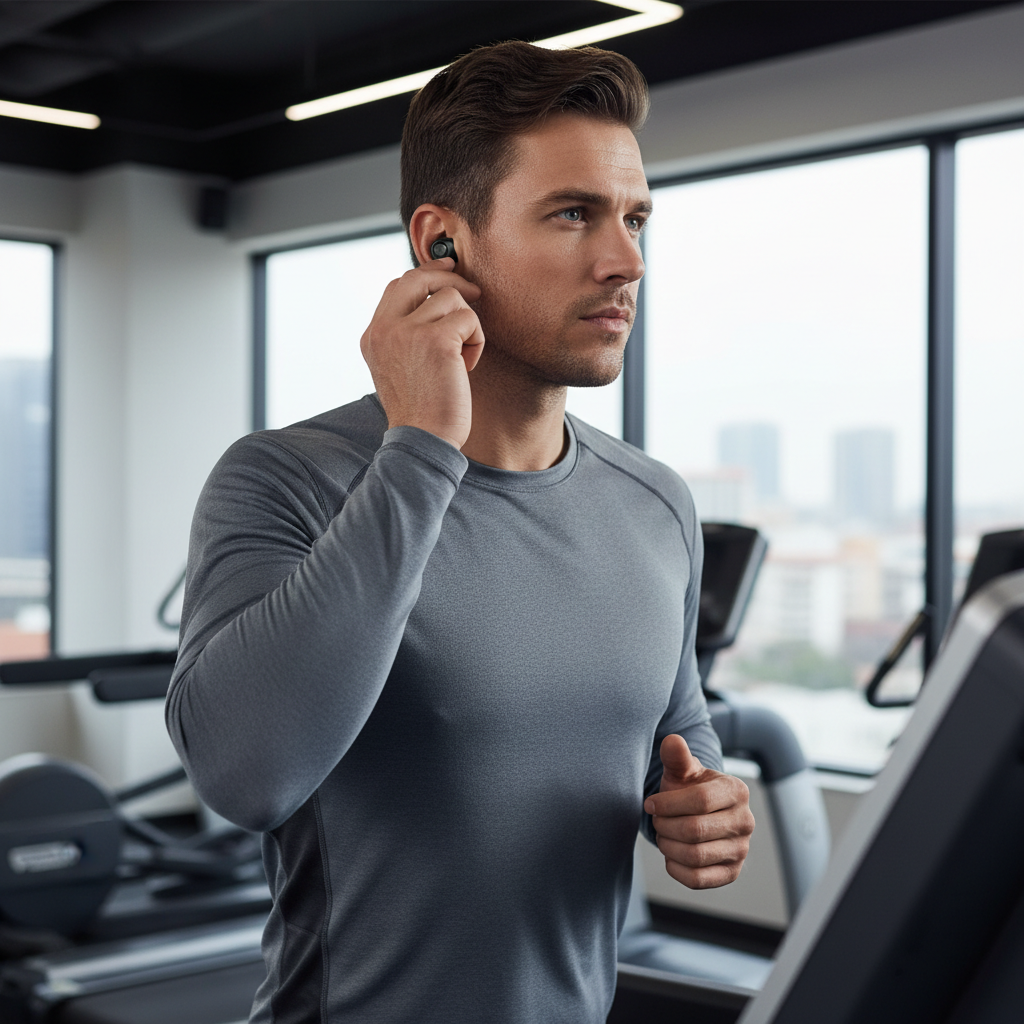
This guide breaks down what to look for, how to choose based on your training style, and a quick comparison table you can use like a checklist. No one pair is perfect for everyone, but you can get very close once you know your priorities.
What actually matters in gym earbuds (and what’s hype)
Marketing loves “sports mode” and “boosted bass,” but in the gym, small details decide whether you keep them or return them.
- Fit + stability: Wing tips, ear hooks, or a grippy shape can matter more than brand. A secure seal also improves bass without cranking volume.
- Sweat and water resistance: Look for an IP rating. IPX4 is common for sweat, IPX5–IPX7 adds more protection for heavy sweaters or outdoor training. Higher is not always necessary, but it reduces worry.
- Controls you can use while moving: Physical buttons can be easier with sweaty hands, touch controls can be faster when tuned well. Either can be annoying if too sensitive.
- Transparency/Ambient mode: Useful for running outside or hearing a coach, but it varies a lot by model and wind handling.
- Battery that matches your routine: If you train 60–90 minutes most days, almost any modern set works. If you forget to charge, prioritize a case with extra cycles and fast charging.
According to OSHA, listening at high volumes for long periods can increase the risk of hearing damage, so it’s worth choosing earbuds that give a solid seal and clear sound at lower volume instead of “just louder.”
Quick comparison table: match earbuds to your workout style
Instead of chasing one “best,” use this as a practical match guide. The names are style categories, not specific brands, because fit and features vary across product lines.
| Workout scenario | Best earbud style to consider | Why it works | Watch-outs |
|---|---|---|---|
| Heavy lifting, machines | Secure in-ear, grippy tips | Stable seal, good passive noise reduction | Touch controls can trigger from shoulder/hood contact |
| HIIT, CrossFit-style | Ear hooks or wing tips + higher IP rating | Handles jumps and sweat better | Hooks can feel bulky with hats/hoods |
| Running outdoors | Great transparency + wind handling | Awareness without removing earbuds | Some “ambient” modes sound hissy in traffic |
| Yoga, low-impact | Comfort-first, lighter shells | Less ear fatigue in longer sessions | May shift during inverted poses if fit is loose |
| Gym is loud, you want focus | In-ear with good seal, optional ANC | Lower volume needed for clarity | ANC can amplify thumps/footsteps in some models |
How to tell if your current earbuds are “good enough”
Before buying anything, run this fast self-check. It saves money, and it also points you to the feature that will actually fix your problem.
- Slip test: Do 10 jumping jacks. If you adjust earbuds more than once, you likely need different tips, wings, or a hook design.
- Seal test: Play a bass-heavy track at moderate volume. If bass disappears when you smile or chew, the seal is unstable.
- Sweat test: After a hard set, do controls still respond? If touch panels misfire, consider physical buttons or less-sensitive touch settings.
- Call test: Walk past fans or outside wind. If your voice sounds warbly, you need better mic wind reduction.
- Comfort test: If your ear aches after 30 minutes, the shell shape may be wrong even if the sound is great.
If two or more tests fail, it’s usually not a “settings” problem, it’s a fit-and-design mismatch. That’s when upgrading makes sense.
What to look for when shopping (so you don’t overpay)
Here’s the short list I’d prioritize for most people searching for the best wireless earbuds for gym use, with a bit of reality-check on each item.
1) Fit system: tips, wings, or hooks
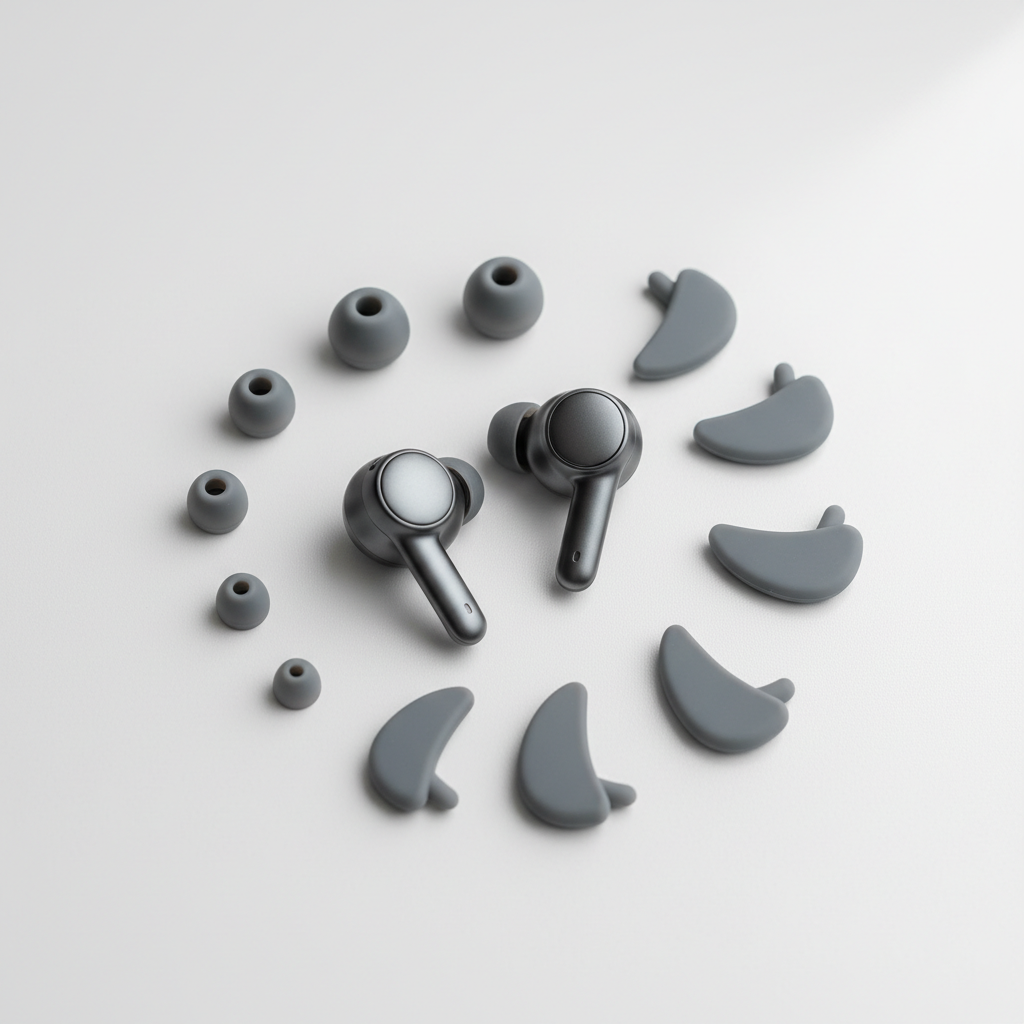
Many earbuds include multiple tip sizes, but not all tips seal the same. Foam tips often improve grip and isolation, but they wear faster and can feel warmer. Wings and hooks add stability for HIIT, though some people hate the extra hardware.
2) IP rating and build details
For typical indoor training, IPX4 often covers sweat and light splashes. If you train outdoors in rain, or you sweat heavily, stepping up can reduce failure risk. If a brand is vague about durability, treat that as a flag.
3) Controls that match your hands
- If you wear gloves: larger physical buttons or very responsive touch areas help.
- If you wear a hoodie or beanie: avoid super-sensitive touch surfaces that trigger from fabric.
- If you do a lot of treadmill running: quick volume changes matter more than fancy EQ.
4) Audio tuning that supports training
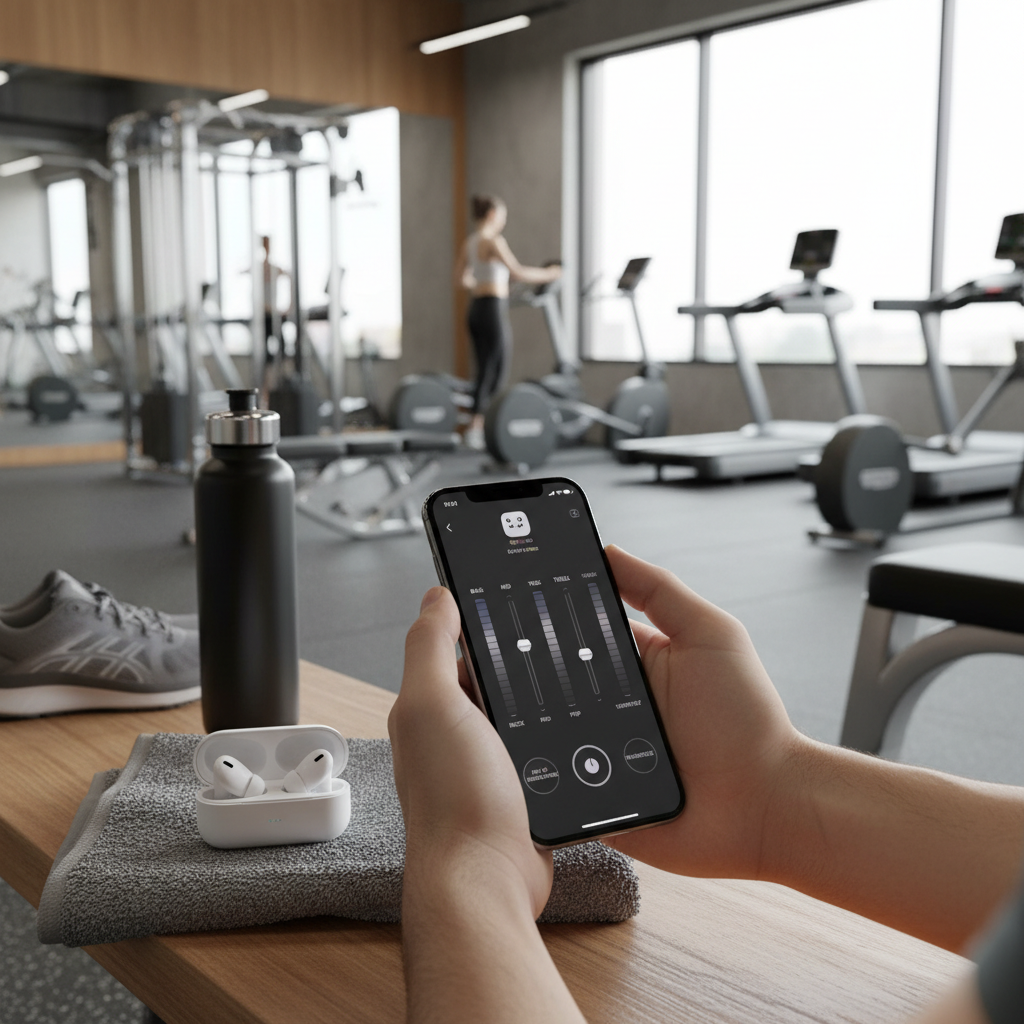
For workouts, slightly boosted bass and clear mids often feel more motivating, but harsh treble causes fatigue. An app with EQ can help, but only if you actually use it. If you never open companion apps, prioritize good default tuning.
5) Transparency vs ANC (noise canceling)
ANC can help in loud gyms, but it can also create pressure sensation for some users. Transparency is a safety feature outdoors. According to NHTSA, staying alert around traffic reduces crash risk, so using awareness features (or keeping one ear open where legal and safe) may be a smarter choice for road running.
Practical setup tips: get a better fit and sound in 10 minutes
A lot of “these earbuds don’t work” problems are really setup problems. Try this once before you return anything.
- Try one size up in ear tips if the seal breaks when you move your jaw. A slightly larger tip often stabilizes the earbud.
- Twist-lock insertion: insert gently, then rotate back toward the ear crease until it feels anchored, not jammed.
- Reset touch controls: reduce tap sensitivity if the app allows, and disable gestures you trigger by accident (often “single tap”).
- Set a workout EQ: moderate bass boost, small cut in sharp highs. Keep volume reasonable; if you need to crank it, seal is likely the issue.
- Use a single earbud for outdoors if you can’t get reliable transparency and you run near cars, but check local rules and use common sense.
Key takeaway: if fit improves, sound improves, and you can keep volume lower without losing energy, you’re much closer to a true “gym-ready” setup.
Common mistakes people make when choosing gym earbuds
- Buying for ANC only: if the earbud doesn’t fit, ANC won’t save it, and you’ll still adjust them constantly.
- Assuming one IP rating fits all: light sweaters and heavy sweaters have very different experiences. Your training environment matters.
- Ignoring mic quality: if you take calls after workouts, wind and fan noise can make you sound far away.
- Chasing “max bass”: more bass at high volume is not the same as better motivation, it can turn into muddiness and listening fatigue.
- Skipping tip experimentation: many people never try the other tips in the box, then blame the product.
When it’s worth getting professional help (or at least a second opinion)
If earbuds consistently hurt, cause ringing, or you notice reduced hearing after workouts, it’s smart to pause and consider talking with a qualified clinician such as an audiologist. Ear pain can come from pressure, incorrect tip size, or ear canal irritation, and a professional can help you sort out what’s going on.
If your goal is safer outdoor training, a running coach or trainer may also help you adjust routes and habits. Tech can help, but it doesn’t replace situational awareness.
Conclusion: how to pick the right pair without overthinking it
Most people searching for the best wireless earbuds for gym sessions don’t need the most expensive model, they need the right fit system, a sensible IP rating, and controls that behave while you move. Once those are locked in, sound quality becomes a lot easier to enjoy.
If you’re buying this week, pick your workout type first, then choose the design that stays put during your hardest movement, and only then compare extras like ANC and app features. That order avoids most buyer’s remorse.
FAQ
What IP rating is good for gym workouts?
IPX4 is usually fine for sweat and everyday gym use, while IPX5–IPX7 can be reassuring for heavy sweating or outdoor runs in bad weather. If the rating is missing, I’d be cautious.
Are ear hooks better than wing tips for HIIT?
Often, yes for aggressive movement, because hooks add a second anchor point. Wing tips can still work well if they match your ear shape, but they’re more hit-or-miss across people.
Do noise-canceling earbuds help in a loud gym?
They can, especially for constant noise like HVAC or treadmills. But some models amplify impact sounds or feel “pressurized,” so it’s worth testing return policies.
Why do my earbuds lose bass during reps?
That’s typically the seal breaking when your jaw moves or when sweat reduces friction. A different tip size or material often fixes it more than changing EQ.
Is it safe to wear earbuds while running outside?
It depends on traffic, local rules, and your awareness. Transparency modes help, but you still need to stay alert; if you’re unsure, using one earbud or lowering volume is a safer starting point.
How do I stop touch controls from misfiring at the gym?
Reduce touch sensitivity if the app allows, turn off single-tap actions, and check if hair, hats, or hoodie fabric is brushing the touch panel. If it keeps happening, physical buttons may fit your routine better.
How long should gym earbuds last?
Battery aging and sweat exposure vary a lot. If you clean them gently, store them dry, and avoid charging in damp conditions, many pairs hold up well, but heavy use can shorten lifespan.
If you’re trying to choose between a few models, make a short list based on stability (hooks/wings), IP rating, and control style, then buy from a retailer with an easy return window so you can test them during a real session instead of guessing at your desk.